How to Choose Cold Drawn Steel Wire for Truss Deck Production | Weldability & Strength Guide
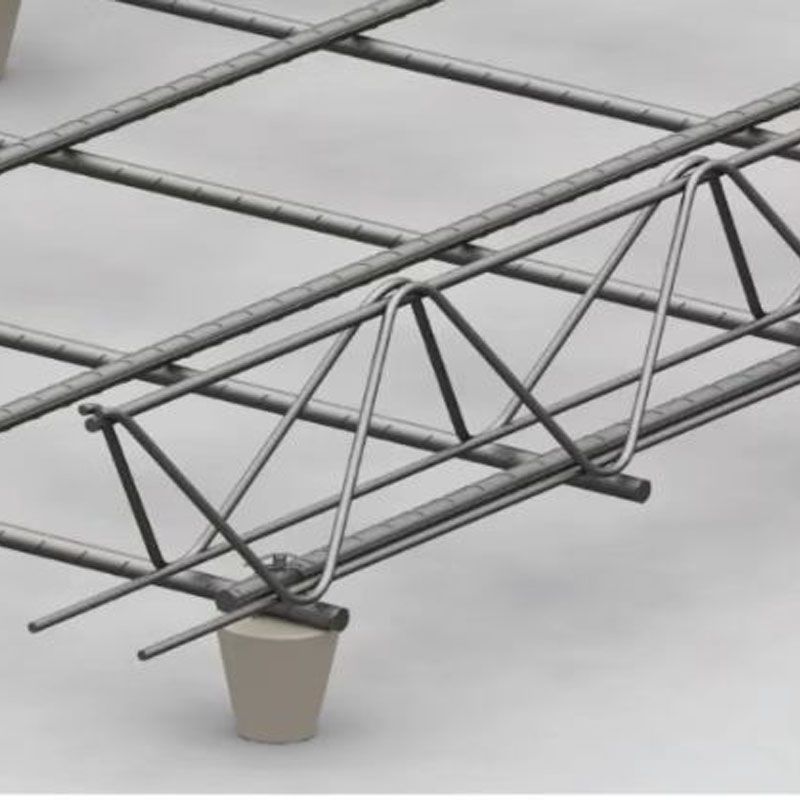
Finding the right cold drawn steel wire for truss deck production isn’t just about tensile strength or hardness. It’s about ensuring the wire meets your welding system's requirements, production speed, and achieves stable, continuous production. In this guide, I’ll share the critical factors to evaluate, based on my firsthand insights into balancing weldability, strength, and quality.
Cold drawn steel wire for truss deck production must strike a careful balance between tensile strength, hardness, elongation, and surface cleanliness.1 Excessive hardness can lead to wire breakage during forming and welding2, while overly soft wire limits production efficiency3 — the key is selecting wire tailored for your equipment and production line speed.
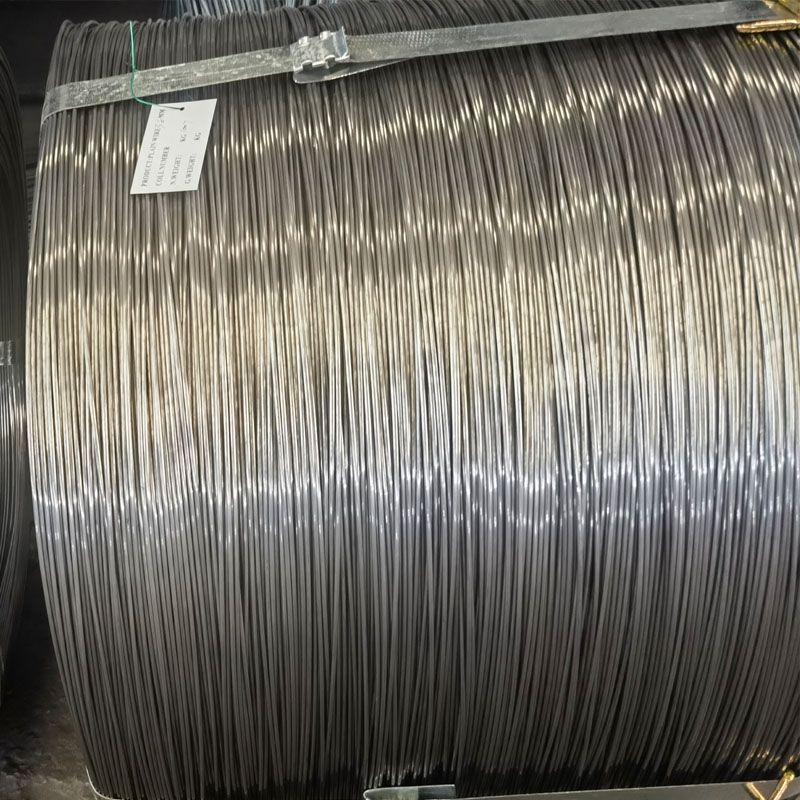
Why is achieving this balance so important? Let’s unravel the complexities below.
What makes cold drawn steel wire suitable for truss decks?
Cold drawn steel wire for truss deck production must enable smooth resistance welding without frequent adjustments or interruptions4. To achieve this, the wire has to combine consistent tensile properties, stable feeding performance, and precise surface control.
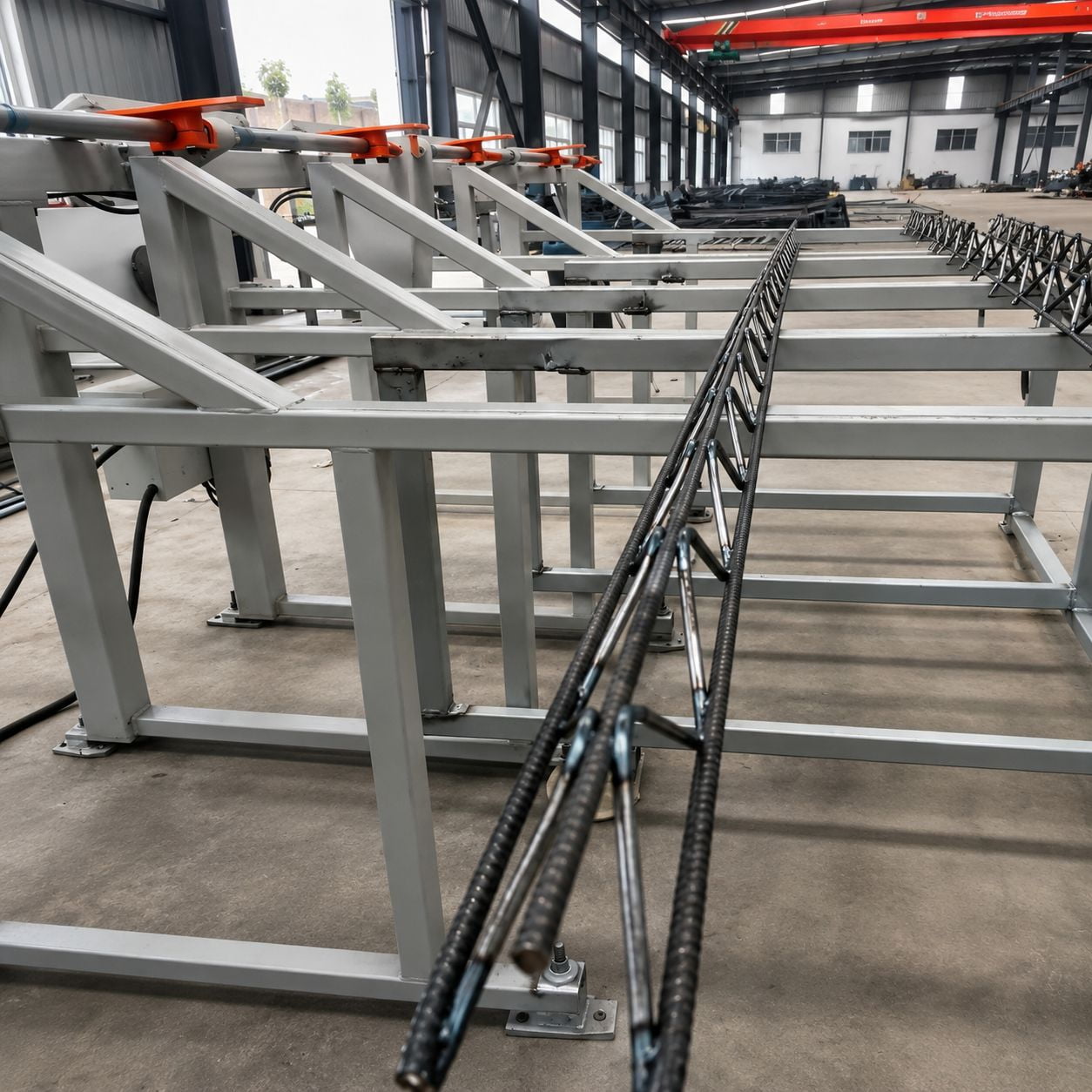
Key requirements for truss deck wire:
- Weldability: Smooth resistance welding performance without defects.
- Tensile & hardness balance: Avoiding excessive brittleness or softness.
- Elongation capacity: Allowing stable forming without wire breakage.
- Surface cleanliness: Control of drawing powder residue to prevent electrode contamination.
- Diameter accuracy5: Consistent feeding and forming precision for automated systems.
Every wire batch must deliver these properties reliably — but achieving this balance isn’t always straightforward.
How does wire hardness affect production?
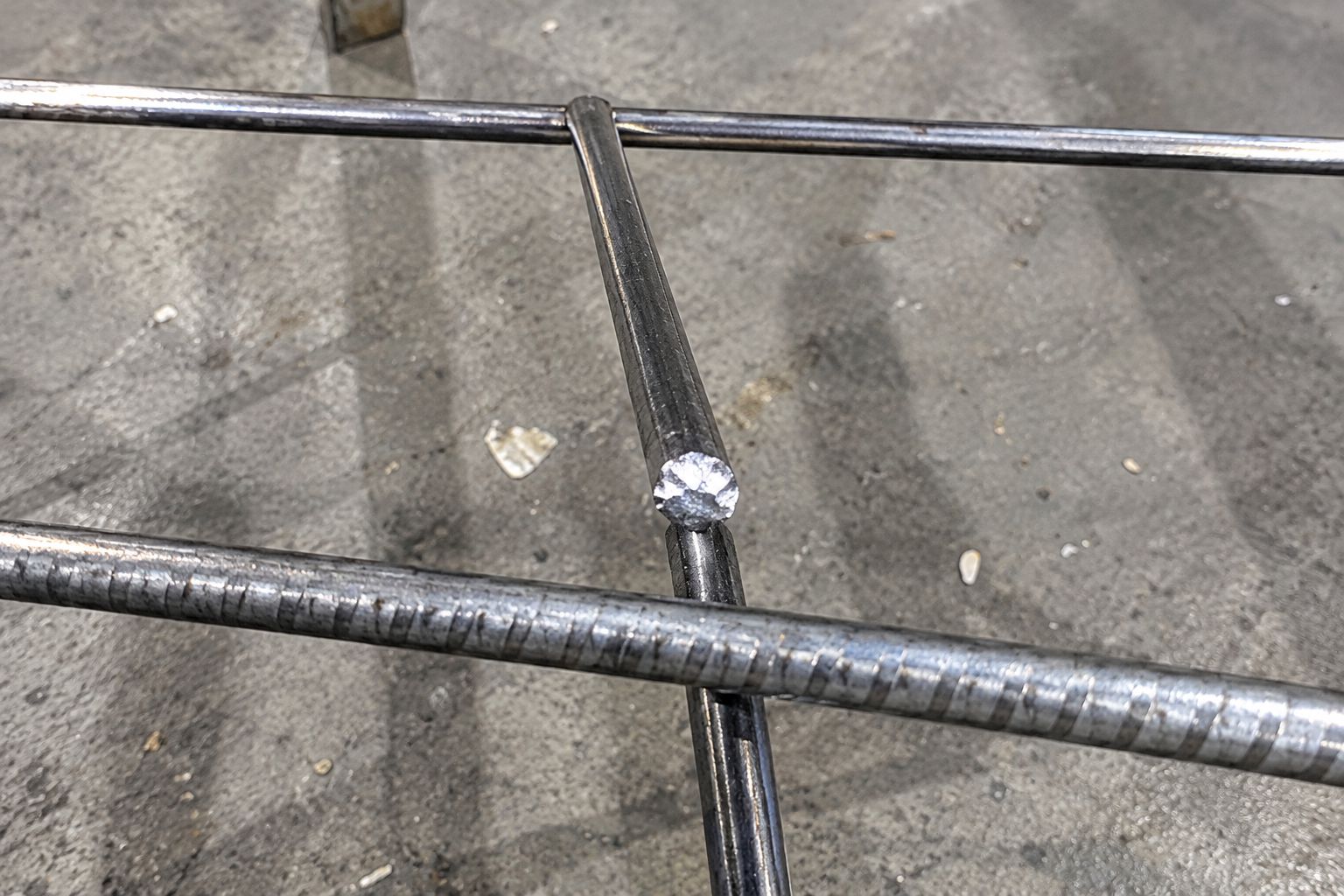
When choosing steel wire for truss decks, one common misconception is that harder wire is always better. Excessive hardness, however, often leads to production disruptions.
Hard wires can break more frequently during straightening, forming, or welding processes, especially in high-speed automated lines.6 This increases downtime and reduces production efficiency.
The risk of soft wire:
On the flip side, overly soft wire can:
- Struggle during forming, requiring slower line speeds.
- Reduce stable feeding performance, leading to inconsistent finished parts.
Achieving balance:
The ideal wire achieves a middle ground—sufficient strength to avoid deformation under tension, but not so rigid that it breaks during processing.
Cold drawn steel wire for truss decks must also match the elongation and hardness requirements of your specific production equipment. Testing wire performance directly on your machinery often reveals suitability better than a material certificate.
Why is drawing powder control critical?
Another overlooked factor in truss deck manufacturing is drawing powder residue.
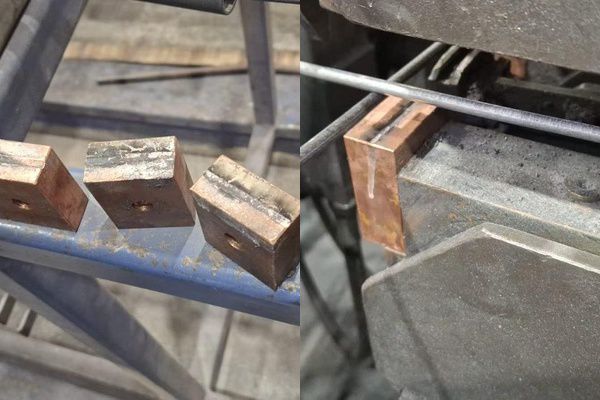
During the cold drawing process, lubricants (drawing powder) are applied to reduce friction and enhance surface protection.7 But this residue can have serious production implications:
- Excessive drawing powder: Can contaminate electrodes during resistance welding, causing blackening and buildup that disrupt weld consistency.8
- Insufficient powder: Limits lubrication, increasing friction during drawing and reducing surface corrosion resistance.
How to manage this balance:
The surface residue of cold drawn steel wire must be tightly controlled:
- Powder balance ensures smooth welding while protecting the wire’s integrity during storage and transportation.
- Batch consistency guarantees repeatable production performance without unexpected downtime caused by residue contamination.
This is why I always evaluate drawing processes and residue control when selecting wire for truss deck applications.
How should manufacturers test wire quality?
Evaluating cold drawn steel wire quality shouldn’t stop at tensile strength charts. Practical testing on your production line is essential.9
Recommended tests for truss deck production:
- Resistance welding performance: Check for consistent welds, minimal adjustments, and no defect formation.
- Forming and feeding stability: Ensure smooth operation without breaking during forming processes.
- Surface residue checks: Verify acceptable drawing powder levels for electrode function.
- Mechanical property consistency: Confirm elongation, hardness, and tensile properties meet equipment speeds and design tolerance.
Testing small batches helps confirm compatibility and minimize risks during procurement. Reliable suppliers can provide technical support during these evaluations.
How do I choose the right supplier?
Selecting a trusted steel wire manufacturer for truss decks is equally critical as choosing the material. Suppliers with deep manufacturing experience and application knowledge understand the nuances of balancing hardness, elongation, and weldability.
Supplier criteria:
- Factory-direct consistency: Batches must deliver stable quality from coil to coil.
- Weldability expertise: Suppliers should ensure wires meet resistance welding parameters.
- Surface control: Drawing residue management prevents future production interruptions.
- Long-term reliability: Ensure stable supply with consistent delivery schedules.
- Technical support: Partners who engage with your equipment tests reduce compatibility risks.
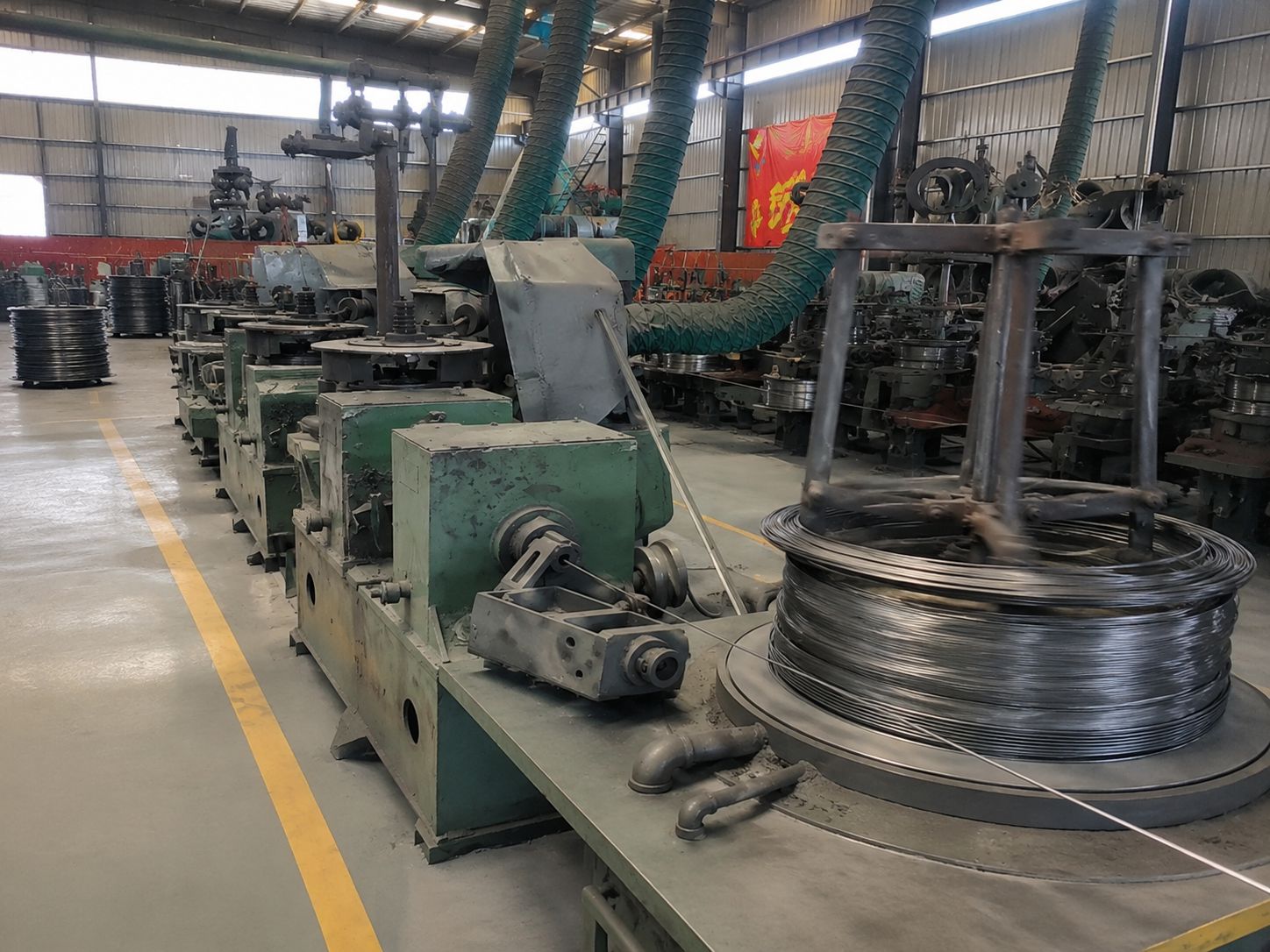
Discussing equipment-specific needs directly with suppliers strengthens your procurement decisions.
Common mistakes buyers make when selecting truss deck wire?
Mistake 1: Focusing only on tensile strength. Tensile strength is one characteristic — balance between hardness, elongation, and weldability matters more for continuous production.
Mistake 2: Ignoring surface residue. Drawing powder residue can affect welding performance more than raw mechanical properties.
Mistake 3: Overlooking batch consistency. Consistency ensures predictable results, especially during long production runs.10
Paying close attention to these considerations will help avoid costly disruptions on your truss deck lines.
Frequently Asked Questions
Why can hard wire cause production problems?
Excessively hard wire often breaks during straightening, forming, or resistance welding stages. This is especially problematic in high-speed automated production systems where continuous feeding is critical.
What happens if wire drawing powder residue is too high?
Residue buildup can contaminate welding electrodes, causing black deposits, frequent cleaning interruptions, and weld inconsistencies during resistance welding.
Is it better to use soft wire for truss decks?
Soft wire may feed well but often disrupts forming stability. Balanced tensile strength, elongation, and hardness specifications work best for ensuring smooth, efficient production.
Conclusion
Choosing the best cold drawn steel wire for truss deck production requires careful evaluation of mechanical properties, surface cleanliness, and feeding stability. It’s not just about high strength—it’s a balance of tensile, elongation, and weldability tailored to your production line. Collaborating with an experienced steel wire supplier and conducting equipment-specific tests will ensure fewer disruptions, higher efficiency, and consistent finished-product quality.
If you’re looking for factory-direct cold drawn steel wire optimized for truss deck applications, contact us today to discuss your production needs.
"Effect of cold drawing on mechanical properties of welded ...", https://www.ideals.illinois.edu/items/5123. A technical paper on cold-drawn steel wire and downstream processing supports the view that tensile strength, hardness, elongation, and surface condition jointly influence forming and joining performance; the evidence is process-level and may not be specific to truss deck production. Evidence role: general_support; source type: paper. Supports: Cold-drawn steel wire performance depends on mechanical properties such as tensile strength, hardness, elongation, and surface condition, especially when subsequent forming or welding is required.. Scope note: Contextual support rather than direct proof for truss deck lines. ↩
"Metallurgical investigation of wire breakage of tyre bead grade", https://pmc.ncbi.nlm.nih.gov/articles/PMC4784722/. Materials-engineering literature on cold-drawn steel wire indicates that increasing hardness is commonly accompanied by reduced ductility and greater fracture susceptibility during deformation; this supports the mechanism but does not by itself quantify breakage rates in truss deck equipment. Evidence role: mechanism; source type: paper. Supports: Higher hardness in cold-drawn steel wire is generally associated with reduced ductility, which can increase fracture risk during deformation.. Scope note: Mechanistic support, not a direct production-line failure study. ↩
"Investigation of Arc Stability in Wire Arc Additive ... - PMC - NIH", https://pmc.ncbi.nlm.nih.gov/articles/PMC11547258/. Research on wire forming and automated handling supports that inadequate strength or stiffness can impair dimensional control and feeding stability, thereby affecting production efficiency; the evidence is general manufacturing evidence rather than truss-deck-specific performance data. Evidence role: general_support; source type: research. Supports: Insufficient strength or stiffness in wire can affect dimensional stability, forming control, and automated feeding performance.. Scope note: Contextual support from wire forming or automation research. ↩
"Resistance Welding Quality Through Artificial Intelligence ...", https://pmc.ncbi.nlm.nih.gov/articles/PMC11945042/. Institutional guidance on resistance welding identifies material condition, surface condition, current, force, and time as variables affecting weld consistency, supporting the need for wire that welds stably without repeated adjustment; the guidance is general to resistance welding rather than limited to truss decks. Evidence role: expert_consensus; source type: institution. Supports: Resistance welding quality depends on controlled material, surface, electrical, force, and timing variables, so inconsistent wire can require adjustments and cause interruptions.. Scope note: General resistance-welding guidance, not a truss deck-specific standard. ↩
"6 Tolerance Guidelines for Wire Forming Services", https://orlandoprecision.com/6-tolerance-guidelines-for-wire-forming-services/. Technical guidance on drawn-wire tolerances supports that wire diameter variation can affect fit through guides, dies, and feeding mechanisms, thereby influencing automated forming precision; this is a general dimensional-control principle rather than direct proof for truss deck machines. Evidence role: general_support; source type: institution. Supports: Dimensional tolerances in wire influence compatibility with dies, guides, feeders, and automated forming equipment.. Scope note: Contextual support from wire tolerance guidance. ↩
"Cold drawn steel wires—processing, residual stresses and ...", https://www.academia.edu/611393/Cold_drawn_steel_wires_processing_residual_stresses_and_ductility_part_I_metallography_and_finite_element_analyses. Peer-reviewed studies of cold-drawn steel wire report that work hardening increases strength and hardness while reducing ductility, a mechanism consistent with increased breakage during straightening or forming; the studies may not directly measure failures in high-speed truss deck lines. Evidence role: mechanism; source type: paper. Supports: Cold work and increased hardness can reduce ductility and increase fracture risk under forming or straightening loads.. Scope note: Mechanistic support; production speed effects may be inferred rather than directly tested. ↩
"Henkel BONDERITE® Wire Drawing Lubricants, Product ...", https://www.chempoint.com/insights/henkel-bonderite-cold-forming?srsltid=AU7gw4VlU1GtPSa4YD2FV-MXR3KkXYTO4N6KleAdFAPik7CYXPviUQO4. Tribology and wire-drawing literature describes drawing lubricants as reducing friction between the wire and die and contributing to surface quality during drawing; surface protection during storage may depend on lubricant chemistry and post-drawing handling. Evidence role: mechanism; source type: paper. Supports: Lubricants in wire drawing reduce friction at the die-wire interface and affect surface quality.. Scope note: Direct for friction reduction; storage protection depends on lubricant type and handling. ↩
"Resistance Welding Quality Through Artificial Intelligence ...", https://pmc.ncbi.nlm.nih.gov/articles/PMC11945042/. Studies of resistance welding show that surface condition and contaminants can change contact resistance and contribute to electrode degradation or inconsistent weld quality, supporting concern about drawing-residue contamination; the literature may discuss oils or coatings rather than drawing powder specifically. Evidence role: mechanism; source type: paper. Supports: Surface contaminants and residues can affect contact resistance, electrode condition, and weld consistency in resistance welding.. Scope note: Direct for contaminant effects; drawing-powder residue may be an analogous contaminant if not studied specifically. ↩
"Process Validation: General Principles and Practices", https://www.fda.gov/files/drugs/published/Process-Validation--General-Principles-and-Practices.pdf. Quality-management guidance on process validation and production verification supports testing materials under actual or representative operating conditions to confirm suitability; it provides general quality-system rationale rather than a truss deck-specific testing protocol. Evidence role: expert_consensus; source type: institution. Supports: Manufacturing quality systems commonly require verification or validation that supplied materials and processes meet application-specific requirements under actual or representative production conditions.. Scope note: General quality-management support, not a dedicated truss deck wire standard. ↩
"Batch production prediction for the mechanical cutting industry ...", https://pmc.ncbi.nlm.nih.gov/articles/PMC11316087/. Educational and quality-engineering sources on statistical process control explain that controlling variation improves process capability and predictability, supporting the importance of batch consistency in long production runs; the support is a general manufacturing principle rather than evidence unique to cold-drawn truss deck wire. Evidence role: general_support; source type: education. Supports: Reduced material and process variability improves process capability and makes production outcomes more predictable over long runs.. Scope note: General quality-engineering support, not industry-specific proof. ↩