
Surface Rust vs Deep Rust in Steel Wire: How to Identify Quality Issues?
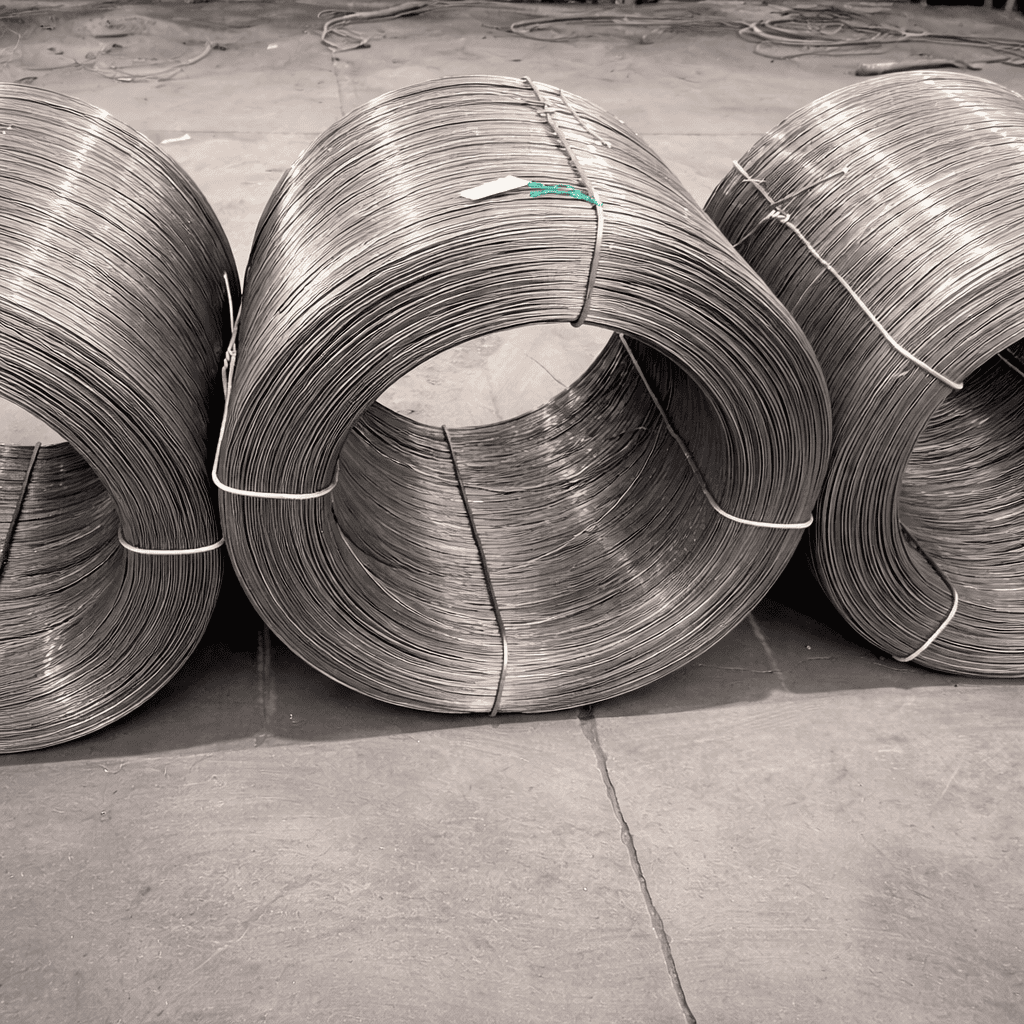
Not all rust is the same. When your steel wire arrives or sits in storage and you see rust, it can be hard to know if you have a real problem or just a surface issue.
Surface rust on steel wire does not always mean the wire is unusable.1 The key question is whether the rust is limited to the outer coil layers or has gone deeper into the wire. Outer-layer oxidation often does not affect welding or production performance.2 Deep rust with pitting or surface damage is a different situation.3
I want to walk you through how I think about this, based on real situations I have handled with customers. Because when a buyer calls me worried about rust, the first thing I do is not panic. I ask them to look closer. And most of the time, what they find changes their whole view of the situation.
What Does Surface Rust Actually Look Like on Steel Wire?
You open the coil. You see brown or reddish coloring. Your first reaction is concern. That makes sense.
Surface rust on steel wire usually appears as a light brown or reddish film on the outer coil layers. It is caused by oxidation when the wire is exposed to air and moisture.4 It looks alarming but is often limited to the very outside of the coil.
I had a customer who stored a batch of our weldable cold drawn steel wire in their own factory for about six months. Their production schedule got pushed back, and the wire sat in storage longer than planned. When they finally went to use it, the outer coil layers had developed light surface rust. They sent me photos and asked if the wire was still good for steel deck welding.
I looked at the photos carefully. The rust was only on the outside layers. When they unwound those outer layers, the wire underneath was bright and clean, exactly as it came off the production line. There was no pitting. No rough patches. No peeling. Just a light oxidation layer on the exposed surface.
That is surface rust. And that is a very different thing from deep rust.
What Causes Surface Rust to Form on the Outer Layer?
| Cause | Description |
|---|---|
| Air and humidity exposure | The outer layer is exposed directly to ambient moisture over time |
| Storage environment | High humidity warehouses accelerate oxidation on exposed wire surfaces5 |
| Packaging wear or damage | If the outer wrapping or anti-rust coating is worn, the wire oxidizes faster |
| Extended storage time | Even with decent packaging, long storage periods increase oxidation risk6 |
The outer layer of any coil is the most exposed part. That is simple physics. The inner layers are protected by the wire above and around them.7 So when you see rust on the outer layers after a long storage period, it does not automatically mean the whole coil is compromised. You need to look further in.
How Do You Tell the Difference Between Surface Rust and Deep Rust?
This is the real question. And it is not always obvious from a photo or a first glance.
Deep rust in steel wire shows signs beyond surface discoloration.8 You will see pitting, which is small holes or craters in the wire surface, rough or flaking texture, rust that goes through multiple inner layers, or visible cross-section damage. Any of these signs changes the risk level significantly.
Back to my customer's case. When I asked them to peel back the outer layers and check, they reported that the inner wire was bright. No rust. No pitting. The wire looked new. That told me the rust was only a surface oxidation issue on the outer exposed layers, not a structural or widespread rust problem.
Here is a simple way to think about it. Surface rust stays on the surface. Deep rust goes into the metal.
A Practical Checklist to Inspect Steel Wire Rust
Use this when you receive wire or take it out of storage and need to make a judgment call.
| Inspection Point | Surface Rust (Lower Risk) | Deep Rust (Higher Risk) |
|---|---|---|
| Rust location | Outer coil layers only | Multiple inner layers also affected |
| Inner layer condition | Bright and clean | Also shows rust or discoloration |
| Wire surface texture | Smooth under the rust layer | Rough, pitted, or flaking |
| Pitting present? | No pits visible | Small holes or craters on wire surface |
| Rust color and thickness | Light reddish-brown film | Heavy, dark, thick, or powdery rust |
| Packaging condition | Intact or only slightly worn | Wet, collapsed, or badly damaged |
| Storage history | Dry warehouse, normal duration | Wet exposure, water contact, very long storage |
If most of your answers fall in the left column, you are likely looking at surface rust. If you are seeing signs from the right column, that changes things and you should take it more seriously.
What About Pitting? Why Does It Matter?
Pitting is worth a separate mention because it is the clearest sign that rust has gone past the surface. A pit is a small crater formed when rust attacks the metal below the surface.9 It is not just discoloration. It is actual material removal.
For welded mesh or steel deck production, pitting is a problem because it creates inconsistency in the wire surface. That inconsistency can affect how the electrode contacts the wire during resistance welding.10 It can also become a stress point in the finished product.11
If you see pitting, even on the outer layers, do not treat it as just surface rust. That wire needs a closer look, and possibly a conversation with your supplier before it goes into production.
Does Surface Rust Affect Welding Performance in Steel Deck Production?
This is the question that matters most to the people I work with. Visual inspection tells you something. But production performance tells you the full story.
Light surface rust on the outer coil layers generally does not affect resistance welding performance if the inner wire is bright and undamaged. The welding current and electrode pressure in resistance welding can handle minor surface oxidation. But heavier rust or pitting may cause inconsistent welds or increased electrode wear12.
My customer ran their own verification. After they confirmed the inner layers were bright, they went ahead with steel deck production using that wire. The welding ran normally. No failures. No unusual electrode wear. No production stops.
That is the result that matters. And it matches what I have seen from experience. Light outer-layer surface rust in well-packaged wire, even after extended storage in a normal factory environment, often does not change the wire's actual welding behavior.
But I want to be clear: this was their specific situation. They had good storage conditions. The rust was genuinely limited to the outside. The inner wire was intact and bright. Not every rust situation will look like that.
When Should You Run a Trial Before Full Production?
| Situation | Recommended Action |
|---|---|
| Rust only on outer 1-2 layers, inner wire bright | You can proceed, but check welds on first batch |
| Rust visible on multiple layers | Run a welding trial before committing to full production |
| Any pitting on the wire surface | Stop and inspect thoroughly, discuss with your supplier |
| Rust combined with moisture damage to packaging | Treat as a higher-risk situation, escalate if needed |
| Wire was exposed to water or flooding | Do not use without full inspection and supplier input |
The trial welding approach is practical and low-cost. If you have doubt, run a small production test. Look at the weld quality, check the electrode condition after a short run, and compare to your normal baseline. That gives you real information, not just a visual guess.
What Can Actually Cause Serious Rust Problems in Steel Wire?
I want to be fair here. Not all rust issues come from how the buyer stores the wire. Some rust problems start earlier, before the wire even reaches you.
Serious rust in steel wire can come from poor surface treatment during production, insufficient anti-rust oil application, inadequate packaging for sea freight, exposure to water during shipping or port storage, or poor process control at the factory. These are supplier-side and logistics-side risks, not just storage issues.
From the factory side, I know where rust problems can start. If the anti-rust oil is applied too thin or skipped during packaging, the wire is much more vulnerable. If the coil is not wrapped tightly, moisture gets in. If the wire sits at port in a humid environment with damaged packaging, the outer layers oxidize fast.
On the buyer side, high-humidity storage without adequate ventilation, or any water contact, can also accelerate rust even on well-packaged wire.
Common Root Causes of Rust in Steel Wire Supply
| Root Cause Category | Specific Factors |
|---|---|
| Production side | Thin or skipped anti-rust oil, poor packaging seal, incorrect wire moisture content |
| Logistics side | Humid shipping containers, water contact during loading or port storage |
| Buyer storage side | High humidity warehouse, outdoor storage, condensation exposure |
| Extended time in supply chain | Long transit, long port hold time, slow inventory turnover |
Knowing the cause matters because it changes what you do next. If the rust started from a packaging failure on the supplier side, that is a different conversation than if the wire sat in an outdoor warehouse for a year. Being clear about where the issue started helps you make a better decision about what to do with the wire and how to prevent it next time.
Conclusion
Surface rust on the outer coil layers is often manageable. Deep rust with pitting, inner-layer damage, or welding issues is a real risk. Inspect carefully, check inner layers, and verify through trial production when in doubt.
"The role of rusts in corrosion and corrosion protection of iron and steel", https://www.sciencedirect.com/science/article/abs/pii/S0010938X0800156X. A corrosion-inspection source distinguishes superficial iron oxide films from corrosion that produces measurable metal loss, supporting the point that surface discoloration alone does not establish that steel wire is unusable. Evidence role: general_support; source type: institution. Supports: A neutral corrosion or materials source should distinguish superficial oxidation from corrosion that causes material loss or structural degradation.. Scope note: The source may discuss steel corrosion generally rather than the specific product category of cold drawn steel wire. ↩
"[PDF] Pressure Resistance Welding of High Temperature Metallic Materials", https://inldigitallibrary.inl.gov/sites/sti/sti/4886653.pdf. Resistance-welding literature describes weld formation as dependent on electrical contact resistance, current, time, and electrode force, providing a technical basis for why minor surface oxidation may not prevent welding when the underlying steel is sound. Evidence role: mechanism; source type: paper. Supports: A welding research source should explain how minor surface oxides may be overcome by contact pressure, heat generation, and current flow, while still recognizing limits.. Scope note: This would provide a mechanism and contextual support, not proof that every lightly rusted steel-wire coil will weld normally. ↩
"Pitting Corrosion: Causes, Detection, and Prevention - Voliro", https://voliro.com/blog/pitting-corrosion/. Corrosion standards define pitting as localized attack that produces cavities or holes in a metal surface, supporting the article's distinction between superficial rust and rust associated with surface damage. Evidence role: definition; source type: institution. Supports: A corrosion standard or institutional source should define pitting as localized corrosion that penetrates into the metal and can cause material loss.. ↩
"Rust - Wikipedia", https://en.wikipedia.org/wiki/Rust. General chemistry references describe rust as hydrated iron oxides formed when iron or steel reacts with oxygen in the presence of water, supporting the explanation that air and moisture cause oxidation on exposed wire. Evidence role: definition; source type: encyclopedia. Supports: A general reference should define rust as iron oxide formed by the reaction of iron with oxygen and water or moisture.. ↩
"(PDF) Atmospheric Corrosion of Carbon Steel and Corresponding ...", https://www.academia.edu/117361505/Atmospheric_Corrosion_of_Carbon_Steel_and_Corresponding_Corrosion_Products. Atmospheric-corrosion studies identify relative humidity and surface moisture as major drivers of carbon-steel corrosion, supporting the claim that humid warehouses accelerate oxidation on exposed wire. Evidence role: mechanism; source type: paper. Supports: A corrosion source should show that atmospheric corrosion of steel increases with moisture availability and relative humidity.. Scope note: The evidence may concern carbon steel specimens or structures rather than coiled steel wire specifically. ↩
"Marine Atmospheric Corrosion of Carbon Steel: A Review - PMC - NIH", https://pmc.ncbi.nlm.nih.gov/articles/PMC5506973/. Research on atmospheric corrosion treats exposure duration as a factor in cumulative corrosion damage, supporting the statement that longer storage increases the probability of oxidation even when packaging reduces exposure. Evidence role: general_support; source type: research. Supports: A corrosion or materials-preservation source should support the relationship between exposure duration, environmental moisture, and cumulative corrosion risk.. Scope note: This supports the general time-exposure relationship; it may not quantify risk for a specific packaging design. ↩
"Review of Failure Mechanisms of Steel Wire Ropes Under Heavy ...", https://pmc.ncbi.nlm.nih.gov/articles/PMC12652277/. Steel-storage guidance generally notes that corrosion begins on surfaces exposed to moisture and air and that physical covering reduces exposure, providing contextual support for why outer coil layers are usually more vulnerable than inner layers. Evidence role: mechanism; source type: institution. Supports: A steel storage or corrosion-prevention source should explain that exposed surfaces corrode first and that shielding or wrapping reduces direct moisture and oxygen exposure.. Scope note: The source may address steel coils or stored steel products broadly rather than wire coils alone. ↩
"Rust Inspection and Prevention - InterNACHI®", https://www.nachi.org/rust-inspection-prevention.htm. Corrosion-inspection references identify pitting, scaling, flaking, and surface roughening as visual indicators of more advanced corrosion, supporting the article's guidance that deep rust involves signs beyond discoloration. Evidence role: expert_consensus; source type: institution. Supports: A corrosion-inspection source should identify pitting, scaling, roughness, and flaking as signs of more severe corrosion than surface discoloration.. ↩
"Pitting corrosion - Wikipedia", https://en.wikipedia.org/wiki/Pitting_corrosion. Standard references define pitting corrosion as a localized form of corrosion that produces small holes or cavities in metal, supporting the article's description of pits as craters caused by attack below the surface. Evidence role: definition; source type: encyclopedia. Supports: A reference should define pitting corrosion as localized corrosion that creates holes or cavities in a metal surface.. ↩
"[PDF] Process Specification for the Resistance Spot Welding of Battery ...", https://www.nasa.gov/wp-content/uploads/2023/03/prc-0009-current.pdf. Studies of resistance welding show that surface condition and real contact area influence electrical contact resistance at the electrode-workpiece interface, supporting the claim that pitted or irregular wire surfaces can change electrode contact behavior. Evidence role: mechanism; source type: paper. Supports: A welding study should explain that surface roughness, oxide films, and contact area influence contact resistance and heat generation in resistance welding.. Scope note: Most studies may examine sheet or rod specimens rather than steel deck wire, so the support is mechanistic rather than product-specific. ↩
"Effect of Pre-Corrosion Pits on Residual Fatigue Life for 42CrMo Steel", https://pmc.ncbi.nlm.nih.gov/articles/PMC6650920/. Fatigue and corrosion literature reports that corrosion pits can act as stress concentrators and potential crack-initiation sites in steel, supporting the statement that pitting may become a stress point in a finished product. Evidence role: mechanism; source type: paper. Supports: A materials or fatigue paper should support that corrosion pits can concentrate stress and initiate fatigue cracks or localized failure.. Scope note: This supports a general mechanical risk; actual risk depends on product design, loading, pit size, and service conditions. ↩
"[PDF] Assessing electrode wear: The role of spot weld count in material ...", https://www.astrj.com/pdf-207858-127491?filename=Assessing%20electrode%20wear_.pdf. Resistance-welding literature links surface oxides and contaminants to changes in contact resistance and electrode interface conditions, supporting the claim that heavier rust or pitting can contribute to inconsistent weld quality and electrode wear. Evidence role: mechanism; source type: paper. Supports: A resistance-welding source should connect oxide scale or contaminated surfaces with changes in contact resistance, weld consistency, and electrode wear.. Scope note: The evidence is likely to be process-based and may not quantify the threshold at which rust on a particular wire product becomes unacceptable. ↩